Dec 15, 2025
HOW TO DIAGNOSE AND TREAT SLEEP PROBLEMS
If you sleep alone, you may be unaware of a possible sleeping problem, at least in the short-term. Over time, a sleep disorder affects waking hours with regard to fatigue, lack of focus, illness, and low energy; therefore, it becomes obvious that you have a problem. Sleeping with a partner can save a great deal of time in raising the issues because much of the time, you’ll get spirited complaints or genuine concerns from the partner.
Sleep studies are one way to diagnose sleeping disorders. They come in several types, ranging from comprehensive overnight lab tests to simpler at-home screenings. The most common are polysomnography, CPAP titration, multiple sleep latency tests, maintenance of wakefulness tests, and home sleep-apnea testing.
Another method very helpful in diagnosing a sleep disorder is a consultation with a physician with your partner present. Descriptions of what is happening at night can be very telling.
MAIN TYPES OF SLEEP STUDIES
Polysomnography (PSG)
The gold standard overnight sleep study, usually done in a sleep lab.
Monitors brain waves (EEG), heart rhythm (EKG), muscle activity (EMG), eye movements (EOG), breathing effort, airflow, oxygen levels, and snoring.
Used to diagnose sleep apnea, insomnia, narcolepsy, parasomnias (like sleepwalking), periodic limb movement disorder, and seizures Cleveland Clinic nhlbi.nih.gov.
CPAP Titration Study
Conducted after a diagnosis of obstructive sleep apnea (OSA).
Determines the optimal pressure settings for a CPAP machine to keep airways open during sleep American Sleep Medicine.
Split-Night Study
Combines diagnostic polysomnography with CPAP titration in one night.
First half: diagnosis; second half: treatment trial American Sleep Medicine.
DAYTIME SLEEP STUDIES
Multiple Sleep Latency Test (MSLT)
Measures how quickly you fall asleep during a series of scheduled daytime naps.
Used to diagnose narcolepsy and excessive daytime sleepiness nhlbi.nih.gov.
Maintenance of Wakefulness Test (MWT)
Assesses ability to stay awake in a quiet environment.
Often used for people in safety-sensitive jobs (pilots, truck drivers) or to evaluate treatment effectiveness nhlbi.nih.gov.
HOME-BASED STUDIES
Home Sleep Apnea Test (HSAT / Level 3 Study)
Portable device used at home.
Tracks breathing, oxygen levels, and heart rate, but usually not brain waves or muscle activity.
Best for diagnosing suspected sleep apnea careicahealth.com Advanced Sleep Medicine Services, Inc..
LEVELS OF SLEEP STUDIES
Level 1 (In-lab PSG) – Full overnight study in a sleep lab with technician monitoring.
Level 2 (Unattended PSG) – Same sensors as Level 1 but performed at home without direct technician observation.
Level 3 (HSAT) – Limited channels, focused on breathing and oxygen, done at home careicahealth.com.
If the concern is complex sleep disorders (like parasomnias, seizures, or narcolepsy), a Level 1 polysomnography is recommended. For suspected sleep apnea, a home sleep apnea test (Level 3) may be sufficient. Daytime tests like MSLT and MWT are used for disorders of sleepiness and wakefulness.
TREATING COMMON SLEEP AILMENTS
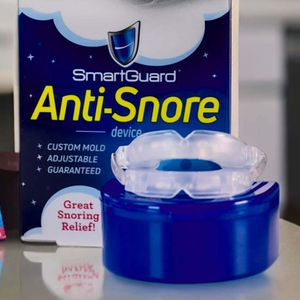
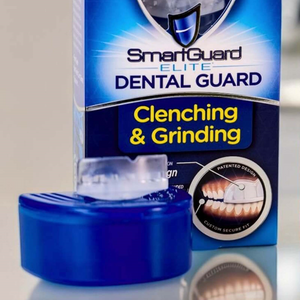
For treating sleep apnea, aka obstructive sleep disorder, many types of forced-air devices, such as CPAP , are available, as well as over the counter jaw-advancement devices, which open the airway at the back of the throat. These are relatively inexpensive, less invasive, and can be very effective to curb both snoring and sleep apnea.
TREATING SLEEP APNEA WHILE TRAVELING
The best way to treat sleep apnea while traveling is to continue your prescribed therapy—usually CPAP or oral appliance therapy—and plan ahead with portable equipment, power options, and sleep hygiene strategies.
Bring your CPAP machine: CPAP devices are considered medical equipment and do not count toward airline carry-on limits enticare.com advancedhomecareonline.com.
Use a travel CPAP: Compact, lightweight versions are available and easier to pack. They often come with FAA-approved battery packs for flights advancedhomecareonline.com.
Carry documentation: Keep a copy of your CPAP prescription or doctor’s note. This helps with airport security and if you need replacement supplies abroad enticare.com advancedhomecareonline.com.
Pack smart: Include spare filters, tubing, mask cushions, and a universal power adapter for international trips enticare.com.
Extension cord & pillow: Hotel outlets may be inconveniently placed, so an extension cord is useful. A supportive pillow that accommodates your CPAP mask can improve comfort advancedhomecareonline.com.
ON AN AIRPLANE
Check airline policies: Some airlines allow CPAP use during flights; confirm in advance enticare.com.
Choose your seat wisely: A window seat or extra-legroom seat makes it easier to rest with CPAP equipment enticare.com.
Battery backup: If outlets aren’t available, use an FAA-approved battery pack enticare.com.
Combat dry cabin air: Use a CPAP humidifier attachment or saline spray to prevent dryness enticare.com.
Stay hydrated: Dehydration worsens apnea symptoms; drink water regularly sleepva.com.
AT YOUR DESTINATION
Stick to your routine: Use your CPAP every night, even if you’re tired from travel enticare.com.
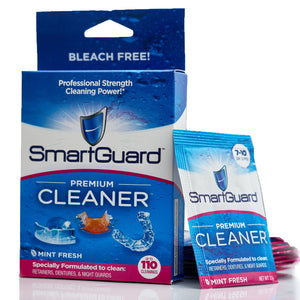
Maintain cleaning habits: Keep your equipment sanitized to avoid infections.
Adjust to local time zones: Gradually shift your sleep schedule to reduce jet lag. Exposure to natural light helps reset circadian rhythms sleepva.com.
Create a sleep-friendly environment: Use blackout curtains, earplugs, or white noise to mimic your home sleep conditions enticare.com.
Oral appliance therapy: For those who use dental devices instead of CPAP, these are highly portable and don’t require electricity—ideal for travel sleepva.com.
KEY TAKEAWAYS
Never skip therapy: Leaving your CPAP at home increases health risks.
Plan ahead: Pack equipment, check airline rules, and bring backups.
Adapt smartly: Manage jet lag, hydration, and sleep hygiene to minimize disruptions.
Portable options exist: Travel CPAPs and oral appliances make treatment easier on the go.
Sources: enticare.com advancedhomecareonline.com sleepva.com