Nov 26, 2025
STRANGE SOLUTIONS FOR SNORING
STRANGE SOLUTIONS FOR SNORING
Historically, snoring was treated with herbal remedies, mechanical devices, and even ritualistic practices—some ingenious, others downright bizarre.
Here’s a fascinating look at how different cultures tried to silence the nighttime rumble:
HERBAL AND NATURAL REMEDIES
Ancient Egyptians used thyme as a remedy for snoring. They believed its aromatic properties could help open airways and reduce nighttime noise Chicago ENT.
Traditional Indian practices included blowing into a conch shell—a breathing exercise believed to strengthen respiratory muscles and reduce snoring. This ritual is still used in some Ayurvedic traditions today VICE.
MECHANICAL DEVICES AND CONTRAPTIONS
Early 20th-century “anti-snoring masks” featured leather straps that wrapped around the chin to keep the mouth closed during sleep. These were often uncomfortable and looked more like medieval torture gear than medical aids Chicago ENT.
1950s oral devices were designed to hold the tongue forward, preventing it from blocking the airway. The earliest versions were made of stiff metal and were notoriously unpleasant to wear Chicago ENT.
POSTURAL AND BEHAVIORAL TECHNIQUES
Sleeping position adjustments were common. People were advised to sleep on their sides rather than their backs to prevent the tongue from falling backward and obstructing airflow.
Elevating the head with extra pillows or inclined beds was another method used to reduce snoring by improving airway alignment.
OTHER CURIOUS APPROACHES
Folk remedies included placing tennis balls in the back of pajamas to discourage back sleeping.
Steam inhalation and nasal rinses were used in various cultures to clear nasal passages before bed.
These historical remedies reflect both the creativity and desperation of people trying to combat snoring long before modern medicine offered CPAP machines and surgical options. If you're curious, the Schnarchen Museum in Germany is dedicated entirely to the history of snoring and its treatments Chicago ENT.
Some of history’s strangest snoring remedies include garlic necklaces, tongue-stretching devices, and even animal-fat potions. Across cultures and centuries, people have tried everything from medieval folk magic to bizarre mechanical contraptions to silence the snore.
Here’s a roundup of the most outlandish snoring solutions from the past:
GARLIC NECKLACES AND ONION POTIONS
In the Middle Ages, people believed that snoring was caused by evil spirits or “bad humors.” Remedies included wearing garlic or onion necklaces to ward off these forces.
Some even concocted poultices of cabbage or onion to place on the chest or under the pillow, hoping the pungent aroma would clear the airways or scare off spirits YouTube.
ANIMAL FAT & HERBAL BREWS
Folk healers in medieval Europe sometimes prescribed animal fat rubbed on the throat or chest to “lubricate” the airways.
In traditional Chinese medicine, herbal decoctions like licorice root or magnolia bark were used to reduce phlegm and open nasal passages helpdementia.com.
TONGUE-TAMING DEVICES
A 1962 patent introduced a tongue-holding mouthpiece that used a paddle to push the tongue forward. It was meant to prevent airway obstruction—but often triggered gagging or vomiting instead SnoreLab.
In some Asian cultures, tongue exercises—like sticking out your tongue and holding it—were believed to strengthen throat muscles and reduce snoring helpdementia.com.
ANTI-SNORING MASKS & CHIN STRAPS
Early 20th-century “anti-snoring masks” featured leather straps that wrapped around the head and chin to keep the mouth shut. They were uncomfortable and often resembled medieval torture devices.
AMULETS, BLESSINGS AND RITUALS
In some regions, snoring was treated with amulets or holy blessings, especially if it was believed to be caused by supernatural forces.
Rituals involving chanting or incense were used to “purify” the sleeper and their surroundings.
POSTURAL TORTURE
To prevent back-sleeping (a common snoring trigger), people were advised to sew hard objects like tennis balls or even wooden blocks into the back of their nightclothes. This made sleeping on one’s back so uncomfortable it forced side-sleeping.
These remedies reflect a mix of desperation, creativity, and cultural beliefs about health and sleep. While many were ineffective—or downright unpleasant—they paved the way for today’s more scientific approaches.
Sources:
SnoreLabSnoreLab – Weird Anti-Snoring Ideas of the Past
helpdementia.comHelpDementia – Bizarre Snoring Remedies Around the World
YouTubeYouTube – Bizarre Medieval Snoring Cures
Chicago ENTChicago ENT – History of Snoring
MODERN SNORING REMEDIES
Modern snoring remedies range from simple lifestyle changes to advanced medical devices, including nasal dilators, mouthpieces, chin straps, and even smart wearable tech. Many are designed to improve airflow, reposition the jaw or tongue, or treat underlying conditions like sleep apnea.
Here’s a breakdown of today’s most effective and widely used snoring solutions:
LIFESTYLE & BEHAVIORAL ADJUSTMENTS
Sleep position: Sleeping on your side instead of your back can reduce snoring by preventing the tongue from blocking the airway.
Weight loss: Excess weight, especially around the neck, can narrow the airway and increase snoring.
Avoid alcohol and sedatives: These relax throat muscles, making snoring more likely.
Establish a regular sleep schedule: Sleep deprivation can worsen snoring by increasing throat muscle relaxation WebMD Healthline.
NASAL & ORAL DEVICES
Nasal dilators: These small inserts open the nostrils to improve airflow. Magnetic versions are also available for added comfort walmart.com.
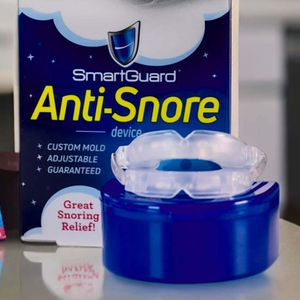
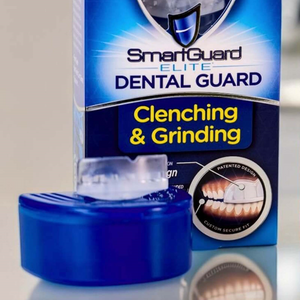
Mouthpieces (MADs): Mandibular advancement devices like the SmartGuard RX anti-snore device gently move the jaw forward to keep the airway open ibspot.com.
Tongue stabilizers: These hold the tongue in place to prevent it from collapsing into the throat.
Chin straps: Devices like SnoreDoc support the jaw and encourage nasal breathing walmart.com.
SMART & WEARABLE TECH
Electric anti-snoring devices: These use gentle vibrations or massage to stimulate jaw muscles and improve breathing during sleep walmart.com.
Infrared wristbands: Designed to detect snoring and activate neurological responses to stop it mid-sleep wandasupply.com.
MEDICAL TREATMENTS
CPAP machines: For those with obstructive sleep apnea, continuous positive airway pressure devices keep airways open.
Surgery: In severe cases, procedures like uvulopalatopharyngoplasty (UPPP) or nasal septum correction may be recommended.
Allergy treatment: Managing chronic nasal congestion can significantly reduce snoring WebMD Healthline Sleep Foundation.